
For property managers, landlords, and body corporates across South Africa, utility management is a constant balancing act. With rising electricity tariffs and municipal water costs, utilities account for a significant share of a property’s operating expenses.
However, one of the most significant risks to predictable utility budgeting isn’t just rising costs—it’s revenue loss due to meter tampering and utility theft.
Traditional mechanical meters are highly vulnerable to physical interference, often leaving property owners to pick up the tab for unaccounted consumption. To protect your property’s financial health, understanding how modern anti-tamper technology secures your infrastructure is essential.
The True Cost of Meter Tampering
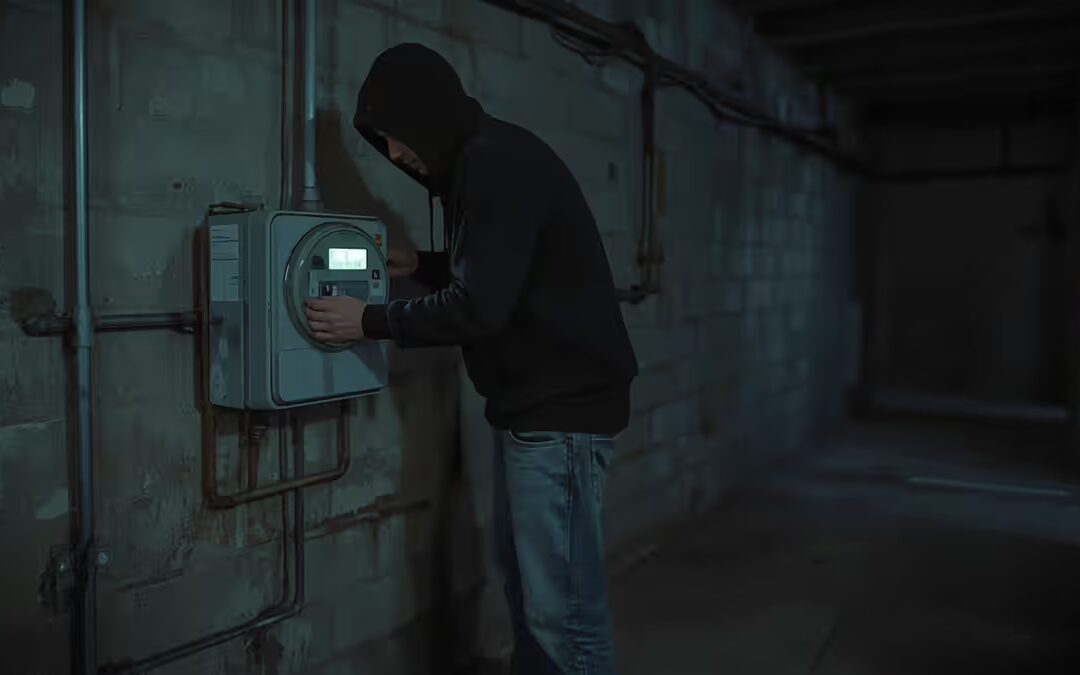
Meter tampering occurs when an individual attempts to bypass, slow down, or alter a utility meter to underreport their actual electricity or water usage. In sectional titles, commercial parks, and residential rentals, this introduces major issues:
- Unfair cost distribution: When a tenant or owner tampers with a meter, the financial shortfall often falls on the body corporate or landlord, forcing honest residents to subsidise the theft through higher levies or utility adjustments.
- Aged infrastructure damage: Crude physical bypasses can cause electrical short circuits, fire hazards, or severe water leaks that damage building infrastructure.
- Administrative friction: Pinpointing exactly where utility discrepancies are happening manually requires physical inspections, resulting in tenant disputes and administrative delays.
Modern smart sub-metering systems remove the guesswork by shifting security from manual checks to proactive digital alerts.
How Modern Smart Meters Prevent Fraud
Advanced prepaid and smart sub-meters (such as systems engineered by global leaders like Hexing and Laison) do not just record data—they actively monitor their own structural integrity. They use layers of built-in hardware and software defences to detect and report interference instantly.
- Physical Enclosure Sensors
Modern smart meters are built with internal micro-switches or light sensors that trigger an alert the moment the physical casing is opened or pried apart. Even if a meter is disconnected from the wall and reattached later, the system logs the exact timestamp the enclosure integrity was compromised.
- Magnetic Interference Detection
A common method used to slow down older mechanical or low-grade digital meters is placing strong external magnets near the casing to disrupt the internal components. High-quality smart meters feature magnetic field sensors. If an unusual magnetic field is detected, the meter logs a fault and can automatically shut off the utility valve or breaker to prevent unmetered usage.
- Reverse-Flow and Bypass Tracking
For water meters, smart sensors can instantly detect reverse flow—where a meter has been physically flipped around to reverse the reading. For electricity meters, internal circuitry constantly compares incoming current with outgoing current. If there is a mismatch, it indicates an illegal bypass loop has been installed.
- Continuous Remote Monitoring (AMI)
Traditional meters only reveal a problem when a physical reader notices a broken seal at the end of the month. Smart sub-meters utilise Advanced Metering Infrastructure (AMI) to send automated data packets back to a central management dashboard. If a meter stops communicating, drops drastically in average usage overnight, or flags a hardware error, property managers are notified in real-time.
The Power of Automatic Disconnection
One of the most effective deterrents built into modern prepaid and smart meters is the automatic tamper lock.
When a critical security breach is triggered (such as a detected bypass or an opened terminal cover), the meter does not just log the event—it automatically trips the internal relay or shuts the water valve, cutting off supply to that specific unit immediately.
To restore utilities, the resident or tenant cannot simply remove the bypass; they must contact management. This allows the landlord or technical team to inspect the physical hardware, assess penalties if necessary, and enter a secure manufacturer clear-code to safely restore service.
Implementing a Secure Metering Strategy
Upgrading to secure utility infrastructure requires a structured approach to ensure maximum protection for your property assets.
- Audit current weak spots: Identify older mechanical meters in your estate or commercial park that lack digital security features.
- Insist on professional installation: Even the most advanced anti-tamper meter can fail if it isn’t wired or plumbed correctly. Certified installers ensure that external junction boxes, protective seals, and conduit piping leave no room for easy bypasses.
- Clear utility policies: Ensure your lease agreements or body corporate rules explicitly outline the penalties for utility tampering and the process for resolving automatic hardware lockouts.
Final Thoughts
Utility theft is a costly challenge, but property owners no longer have to rely on reactive, manual inspections to protect their investments. Investing in smart metering solutions with robust anti-tamper technology ensures fair billing, eliminates administrative disputes, and secures your revenue stream against unpredictable losses.